

%201.svg "cancel (1) 1")

.png?width=46&height=35&name=Group%20(2).png)



If 2025 was defined by reviews, targets, and frameworks, 2026 must be the year of delivery. The policy scaffolding is largely in place; the system challenge now is execution at scale, under time pressure, and amid tightening reliability margins.
Energy Insights spoke with Tony Wood, Energy Program Director at the Grattan Institute, to find out his top predictions for the year ahead.
“Next year should be one of delivery,” Wood said. “The best outcome would be to create momentum on the energy transition that can be maintained through the current decade and well into the next.”
Electricity markets: Filling the post-2030 policy vacuum
A central challenge for 2026 is investor confidence beyond 2030. The Renewable Energy Target (RET) has effectively expired as a driver, while the Capacity Investment Scheme remains time-limited.
The absence of a durable post-2030 investment signal risks:
- Higher financing costs for long-lived assets
- Delayed final investment decisions
- Over-reliance on discretionary underwriting
The translation of NEM Review recommendations into a detailed implementation roadmap will be a critical test of institutional capability.
Wood said: “The recommendations of the NEM Review are now in the hands of the bureaucracy to create a detailed work program that provides confidence on future investment in the electricity system as coal closes and renewables dominate supply.
“The cessation of the Renewable Electricity Target mechanism that has driven renewables’ investment for more than 20 years and the more recent Capacity Investment Scheme that is being used bolster investment in renewables and storage make the post-2030 period a policy-free space that needs to be filled.”
Coal exits, storage, and system security
Coal retirements continue to shape system risk through the second half of the decade. In 2026, the focus shifts from “when” to how clean capacity, storage, and system services replace synchronous generation.
Key technical priorities include:
- Scaling long-duration storage
- Strengthening system strength and inertia frameworks
- Improving dispatch coordination across state borders
Failure in any one of these domains risks reliability events that could undermine public confidence.
Safeguard Mechanism: Credibility test in 2026
“The Safeguard Mechanism is due for review in 2026 and this will be an important test of the government’s commitment to meeting its targets,” Wood said.
So far, it remains one of the few policies imposing a binding emissions constraint on large emitters.
Key questions for 2026 include:
- Baseline decline rates
- Integrity of offset supply
- Enforcement certainty
Its effectiveness will shape emissions outcomes well beyond the power sector.
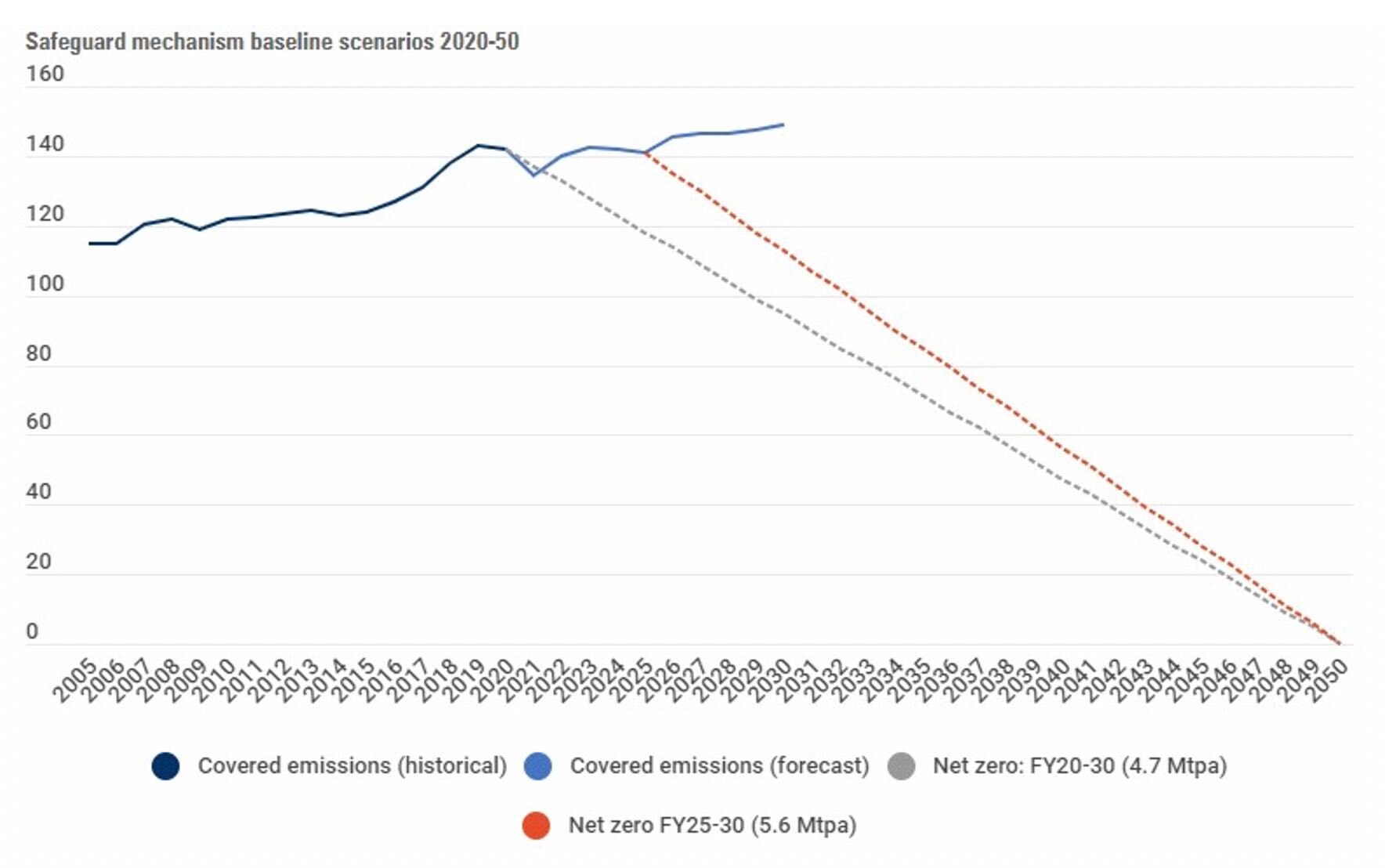 Figure 1.1 Baseline Mechanism scenarios 2020-50
The Safeguard Mechanism and the New Vehicle Efficiency Standard are the notable exceptions to a “stark absence” of emissions reduction policies across the economy to meet the government’s targets, Wood added.
“The effectiveness of these policies should become clear in 2026.”
Transport electrification: Early signals become measurable
The New Vehicle Efficiency Standard begins to move from policy design into measurable impact during 2026. While fleet turnover is slow, early shifts in model availability and import composition should become evident.
This will have downstream implications for:
- Electricity demand growth
- Distribution network planning
- Managed EV charging frameworks
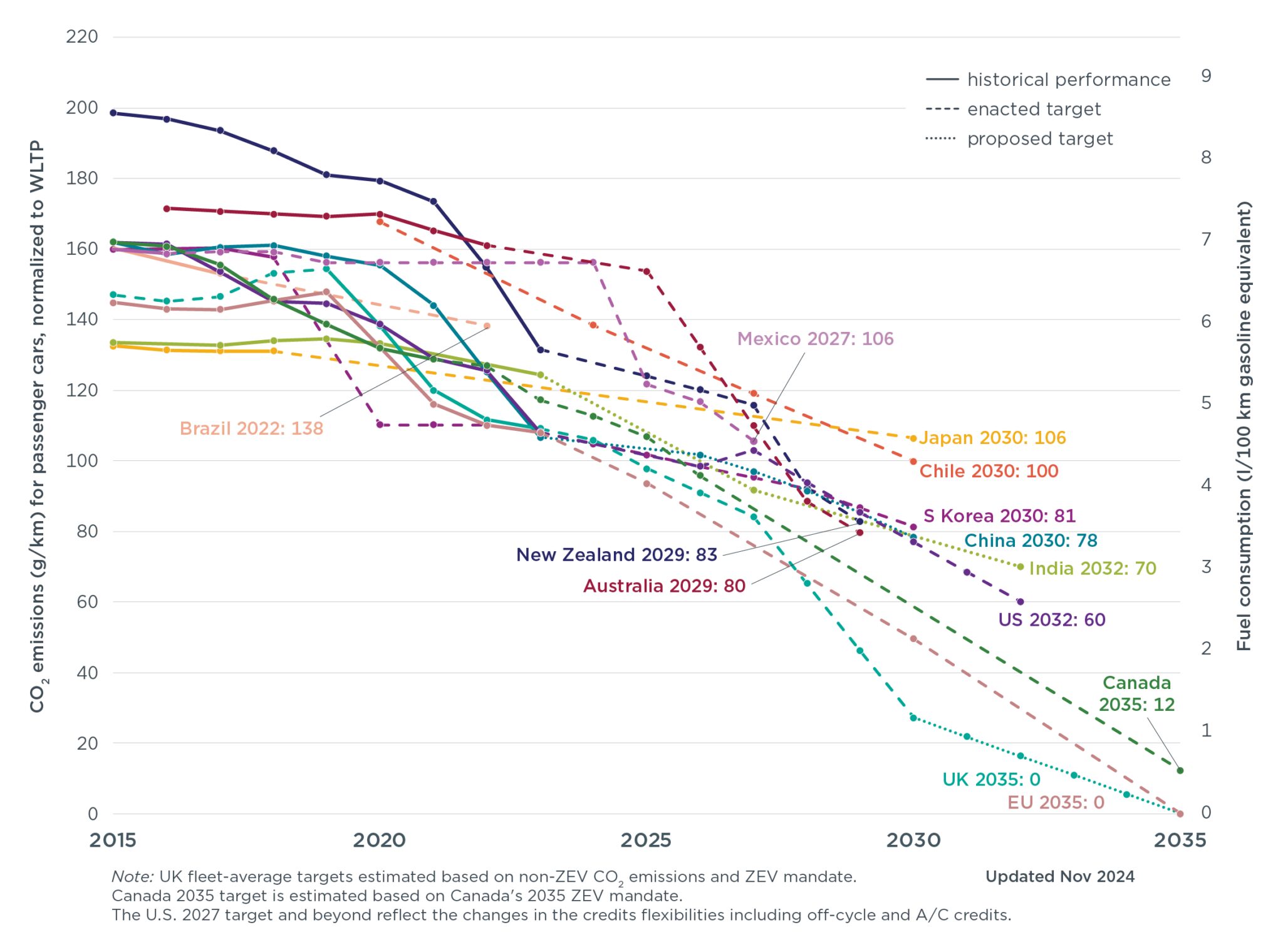 Figure 1.2 Global CO2 standards for passenger cars
Industry policy and Future Made in Australia
Wood said: “The Future Made in Australia framework allocates more than $20bn to industry policy associated with manufacturing sectors that align with Australia’s comparative advantages and strategic interests.
“This framework needs to be strengthened to give industry greater predictability and government greater clarity on how such objectives can be put into practice.”
In 2026, scrutiny will shift from funding announcements to execution discipline. Without this, the risk of fragmented industrial policy remains high.
Gas: The unresolved question
Expectations remain high that gas policy clarity will emerge in 2026. Balancing affordability, reliability, and decarbonisation objectives will require confronting geological realities and vested interests.
The outcome will shape both electricity reliability and industrial competitiveness.
Wood said: “There are great expectations for a Gas Review that ensures affordable supply of gas on the east coast. Vested interested and geological reality have created major challenges for policy makers and the role of gas in the energy transition remains fraught with difficulty.”
The year ahead
2026 is not about redefining ambition. It is about proving capability - to build, connect, coordinate, and govern a system in transition. The credibility of Australia’s energy pathway now rests on execution.
“More substance and real progress are sorely needed,” Wood told Energy Insights.
“The game is on.”


.png)

Creating clarity during the energy transition.
Get a different perspective on energy with our monthly newsletter.
